Page Loading...

Homeopathy

What is Homeopathy?

(Homeo - similar & pathos - suffering)

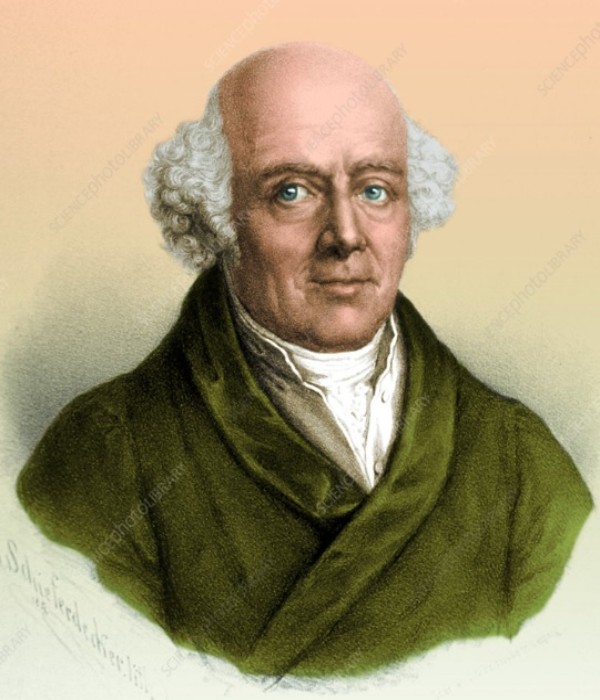
Homeopathy is a system of medicine discovered by German Physician Dr. Samuel Hahnemann in 1796 based on the principle of "Similia similibus curentur" – "Like cures like." This means any substance that has the ability to produce a certain set of symptoms in a healthy individual can cure the same set of symptoms in a diseased individual.

What is Homeopathy?

While translating a medical text by William Cullen, Dr. Hahnemann became skeptical of the theory that cinchona bark cured malaria simply because it was bitter. He decided to test this theory by ingesting the cinchona bark himself. He experienced fever, shivering, and joint pain—symptoms similar to those of malaria itself. This led him to the principle of "Like cures like."

Concepts of Homeopathy

Homeopathy is based on several key principles:

Homeopathy is a system of medicine discovered by German Physician Dr. Samuel Hahnemann in 1796 based on the principle of "Similia similibus curentur" – "Like cures like." This means any substance that has the ability to produce a certain set of symptoms in a healthy individual can cure the same set of symptoms in a diseased individual.

What is Homeopathy?

  • Law of Similars: The principle that a substance causing symptoms in a healthy person can treat the same symptoms in a sick person.
  • Holistic Approach: Homeopathy treats the whole person, not just the disease or its symptoms.
  • Individualistic Approach: Treatment is based on the unique symptoms and constitution of each patient, even if they have the same disease.
  • Vital Force: The belief that a dynamic force regulates the body's functions, and when it is deranged, illness occurs. Homeopathic remedies aim to restore harmony in the body.